News for all
Yield and water savings may become criteria for agricultural subsidies
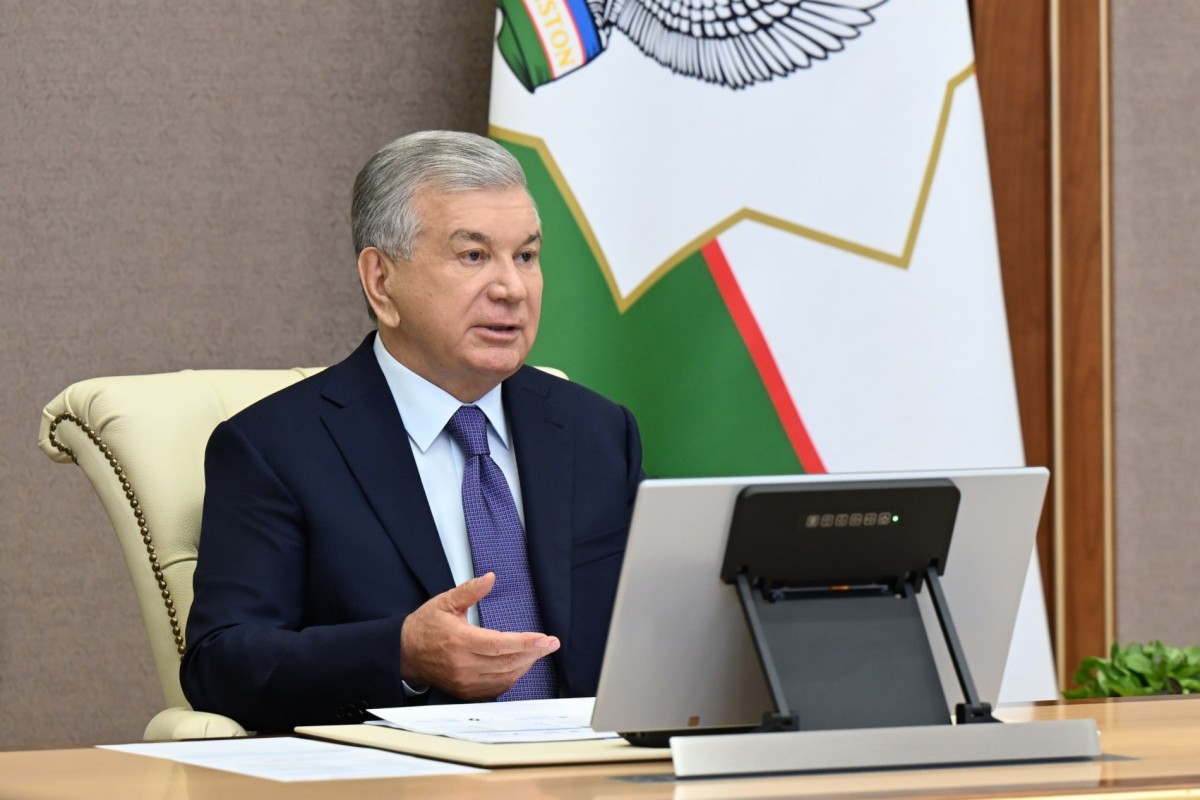
President Shavkat Mirziyoyev reviewed a presentation of proposals to improve subsidy and insurance systems in the agricultural sector.
In recent years, the scale of state support for agriculture has expanded, and subsidy allocation processes are being gradually transferred to digital format. This year, the number of subsidy areas and types in the sector has been increased to 29 and 91, respectively, and 2.7 trillion soums have been allocated for these purposes. In a number of areas, applications are generated proactively, and the time required for payments has been significantly reduced.
During the presentation, it was noted that subsidies should be directed not only to compensating costs, but also linked to achieving specific results. Starting next year, it was proposed to gradually move from the “allocation of funds” model to the “performance-based subsidy” model.
In the new system, the main criteria will be yield, water and energy savings, as well as the volume of output obtained per unit of resources spent. All data will be obtained without human involvement from the information systems of the relevant government bodies and organizations. An electronic passport will be created for each subsidy recipient, and the results will be monitored online.
Initially, this mechanism will be tested in the implementation of water-saving technologies. Over two to three years after the subsidy is granted, water consumption, yield, and water-use efficiency will be assessed. If the established indicators are not met, the subsidy funds will be subject to repayment. This will ensure the targeted and efficient use of public funds.
During the presentation, special attention was paid to improving the agricultural insurance system. At present, many processes have been digitized through the Agrosafe information system — from submitting an electronic application to issuing a contract and policy, carrying out monitoring and expertise, as well as paying insurance compensation.
It is planned to expand insurance coverage to include seedlings and trees in orchards and vineyards, imported livestock, as well as risks associated with accidental incidents. In addition, new insurance products will be introduced for livestock breeding, melon cultivation, potato and onion growing.
In 2027, the goal is to cover 45,000 agricultural enterprises with insurance, raise insurance coverage for agricultural products to 60 percent, train 500 independent experts, and fully digitalize insurance services.
Under the new approach, alongside compensation for damage, priority attention will be given to risk prevention. It was proposed to allocate 3-5 percent of the insurance premium to a special fund and direct these funds to vaccination, preventive and veterinary services in livestock breeding, biological protection measures in cotton growing and grain farming, as well as the installation of protection systems against natural disasters in horticulture and viticulture.
The Head of State emphasized that subsidy and insurance systems should, above all, be simple and convenient for farmers, and that public funds must be directed toward achieving specific results. Instructions were given to reduce the human factor and ensure transparency in processes, fair assessment of insured events, and prompt payment of insurance compensation.
Responsible officials have been instructed to refine the proposals and submit drafts of the relevant legal acts.
Source
